A clean workplace reduces sick days productivity by preventing the spread of illness and creating a healthier, more focused environment for employees. Regular disinfection of high-touch points minimizes staff absences; furthermore, a pristine office setting boosts overall morale and helps teams maintain high operational efficiency.
Every business owner in Sanpete County understands the disruption caused by a sudden wave of seasonal illness that leaves departments understaffed and critical deadlines missed. While a cluttered desk might appear as a minor aesthetic issue, the invisible accumulation of workplace pathogens carries a substantial cost for your operational bottom line. When staff members are forced to work through lingering allergens or avoidable viral transmissions, their focus deteriorates and your overall output stagnates. This guide examines the critical relationship between professional sanitation and fiscal performance. You will learn how pathogens migrate through shared spaces, the psychological impact of a clean environment on employee creativity, and the industrial hygiene trends emerging for 2026. We will also outline how to implement a robust hygiene policy that leverages advanced solutions to ensure your workspace remains a high performance hub where health and productivity are never compromised.
The Direct Link Between Sanitation and the Bottom Line
Maintaining a professional image is vital, but for businesses in Sanpete County, the impact of physical cleanliness extends far beyond the lobby. A facility's sanitation level directly influences its financial performance. In our local economy, where small to mid-sized teams drive operations, employee health is the most critical asset a company possesses. When a workspace is neglected, it becomes a reservoir for pathogens and allergens that inevitably lead to downtime.
The financial stakes are measurable. According to the CDC, flu-related sick days alone cost employers approximately $230 per employee every year. This figure does not account for the secondary costs of reduced output, missed deadlines, or the strain placed on remaining staff when a colleague is absent. Investing in professional sanitation and maintenance services mitigates these risks by removing the biological triggers that lead to illness.
Evidence shows that a clean workplace reduces sick days productivity gains follow because employees can focus on their core responsibilities rather than battling chronic respiratory irritation or seasonal viruses. By shifting from reactive cleaning to proactive sanitation, managers protect their revenue streams. In Sanpete County’s specific business landscape, ensuring that your team remains healthy and present is a prerequisite for sustained growth. Cleanliness is not just a maintenance task; it is a fundamental component of operational efficiency and risk management.
Understanding the Pathogen Path: How Viruses Spread Through the Office
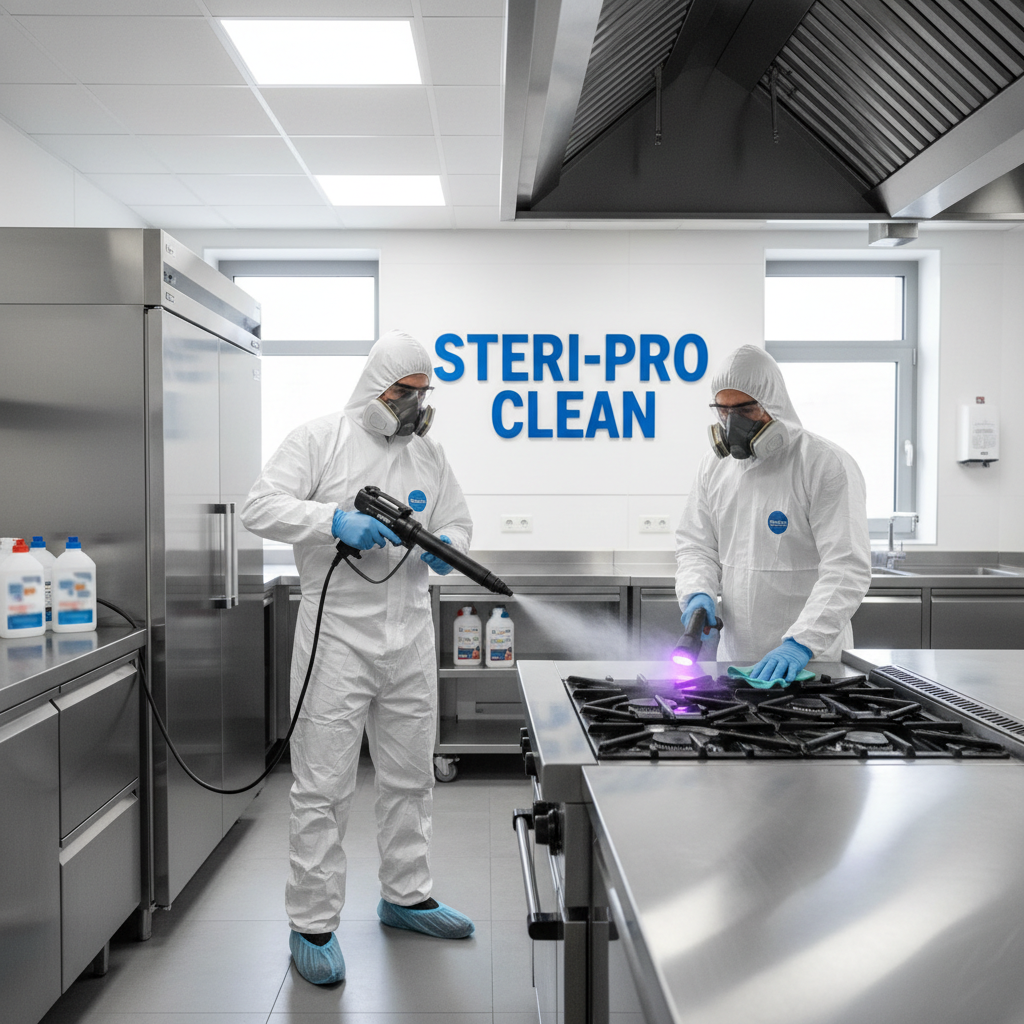
To understand how a clean workplace reduces sick days productivity, one must first visualize the speed of viral transmission in a shared office environment. Viruses do not remain localized; they move through a facility with remarkable efficiency. Research has demonstrated that a single contaminated surface, such as a main entry doorknob or a communal desk, can spread pathogens to 60 percent of office surfaces within a matter of hours. This rapid dispersal explains why an entire department can fall ill shortly after a single employee arrives at work with a cold.
In modern office settings, certain hotspots serve as primary hubs for these pathogens. High-touch points extend far beyond the front door. Breakroom refrigerator handles, copier control panels, and shared keyboard areas in flexible seating environments are major culprits. Because these items are used by multiple people throughout the day, they act as conduits for bacteria and viruses. Without specific intervention, these surfaces become reservoirs that facilitate the continuous cycle of reinfection among the staff.
A critical distinction exists between cleaning for appearance and sanitizing for health. Traditional cleaning often focuses on visible aesthetics, such as removing a coffee ring from a desk or emptying a trash bin. While these tasks are necessary, they do not necessarily eliminate the biological threats that lead to illness. Sanitizing for health is a core Gobes Cleaning value that involves the strategic use of disinfectants on high-touch surfaces to neutralize pathogens at the microbial level. By integrating targeted professional sanitation and maintenance services into a facility management plan, businesses can disrupt the pathogen path. This proactive approach ensures that the environment is not only visually pleasing but also biologically safe, maintaining the health and operational capacity of the entire team.
The Psychological Boost: Why Clean Offices Improve Focus and Creativity
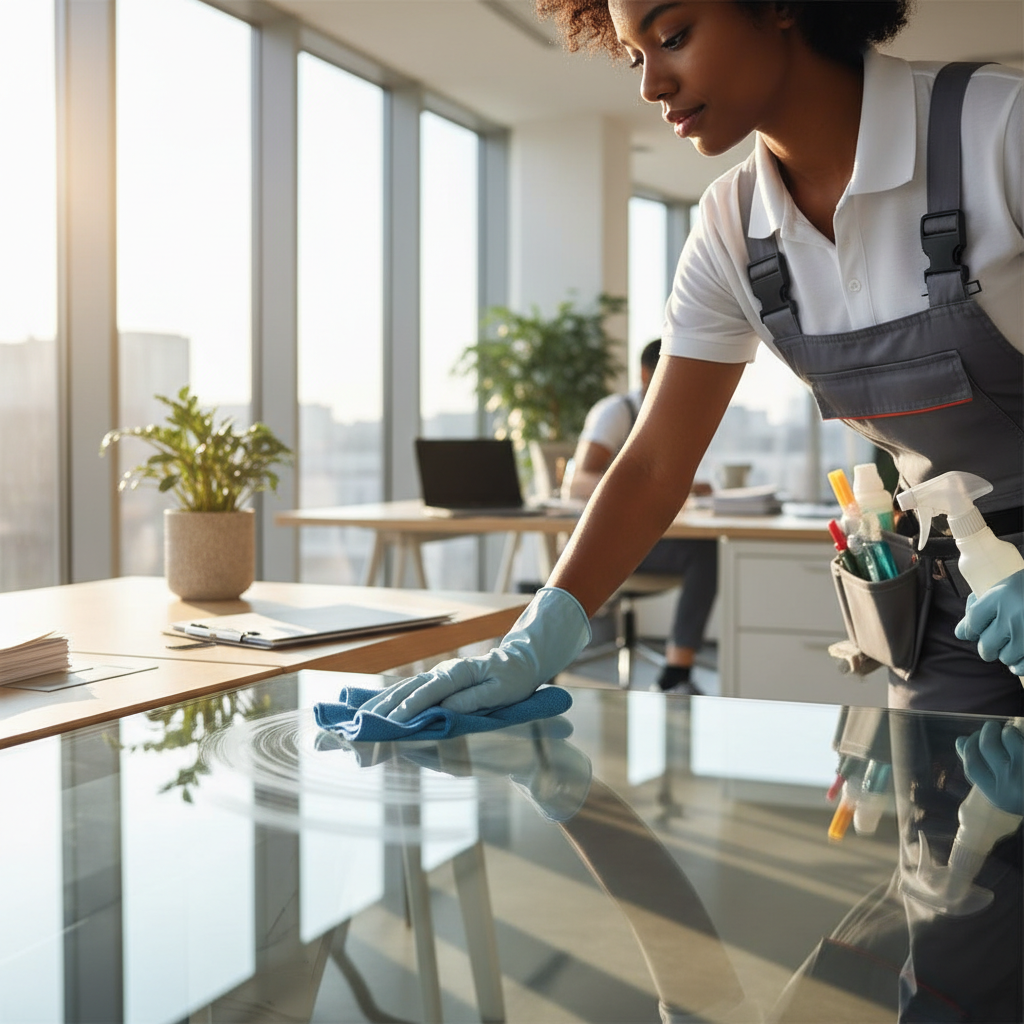
While the biological benefits of sanitation are clear, the psychological impact of a pristine workspace is equally vital for performance. A cluttered or dusty office imposes a significant mental load on employees. The human brain is naturally wired to seek order; when surrounded by visual clutter or neglected surfaces, the mind must work harder to filter out environmental distractions. This constant processing of visual noise increases cortisol levels, which is the body's primary stress hormone. Elevated cortisol leads to heightened anxiety and a diminished capacity for creative problem solving, effectively throttling the office's collective output.
Data from a 2019 Workplace Psychology study indicates that employees in clean environments report a 15 percent increase in overall job satisfaction. When staff members feel their physical surroundings are managed with care, they perceive a higher level of professional support from leadership. This psychological safety is a key reason why a clean workplace reduces sick days productivity, as motivated employees who feel valued are less prone to burnout and mental fatigue. Research also suggests that 86 percent of workers feel their focus and creativity are directly improved by a tidy workspace.
Utilizing professional sanitation and maintenance services to handle routine tasks like high-level dusting and meticulous surface maintenance removes the cognitive burden of grime from your team. In an environment where every surface is maintained to professional standards, employees are free to dedicate their full attention to their specialized roles. Instead of subconsciously noticing a layer of dust on a monitor or residue on a common table, they focus entirely on the work at hand. This mental clarity is what transforms a standard office into a high-output environment for Sanpete County businesses.
Improving Indoor Air Quality: Reducing Allergies and Respiratory Issues
In Sanpete County, the local climate presents specific challenges for indoor air quality that directly impact employee stamina. During our dry, windy seasons, fine particulate dust from the valley floor infiltrates office vents and settles deep into carpets and upholstery. Once winter arrives, businesses seal their facilities against the Utah cold, and indoor heating systems begin recirculating these trapped allergens. Without intervention, these spaces become concentrated zones for pollen, dust mites, and mold spores, which trigger respiratory fatigue and chronic headaches among the workforce.
A clean workplace reduces sick days productivity because it physically removes the triggers that cause inflammatory responses. Professional vacuuming using HEPA filtration and microfiber dusting are essential air filtration strategies, not just chores. These methods capture microscopic irritants rather than simply pushing them back into the air. When professional sanitation and maintenance services are applied to high-level surfaces and ventilation grates, it prevents the buildup that leads to poor air circulation. By maintaining a low particulate load, employers can significantly decrease the incidence of allergy flare ups and the general lethargy associated with stagnant, dusty air. This proactive approach ensures that staff breathe easier, remaining energized and focused on their tasks regardless of the seasonal conditions outside.
Commercial Cleaning Trends for 2026 and Your Business
As we approach 2026, the commercial cleaning landscape is shifting from 'out of sight, out of mind' models to strategies centered on measurable performance and accountability. Sanpete County businesses are increasingly adopting Day Porter Programs, where professional cleaners maintain high-traffic areas during business hours rather than solely at night. This shift acknowledges that pathogens do not wait for the sun to go down to spread across shared surfaces. By integrating professional sanitation and maintenance services into the active workday, companies can address spills and disinfect communal touchpoints in real time.
Smart facility management now focuses on targeted disinfection, using data on foot traffic and equipment usage to prioritize cleaning where it matters most. This forward-thinking approach moves beyond aesthetics to focus on biological safety. When hygiene is managed as a dynamic component of the office environment, the results are quantifiable. Modern operational data shows that a clean workplace reduces sick days productivity levels stay high, and the physical workspace becomes a strategic asset rather than a liability. Moving toward 2026, the focus is clear: consistent, visible maintenance is the new benchmark for professional excellence in Utah’s business community.
Developing an Effective Workplace Hygiene Policy
Implementing a robust hygiene policy transforms cleanliness from a reactive task into a repeatable business process. Managers should aim for the top two tiers of the five cleaning standards, specifically orderly spotlessness and ordinary tidiness. Reaching these levels requires adherence to the seven standards of housekeeping: dusting, sweeping, mopping, sanitizing, deodorizing, organizing, and routine inspection. When these standards are documented, they provide a clear benchmark for both internal staff and external vendors.
To complement professional sanitation and maintenance services, managers should establish specific employee protocols. A "clean desk" policy is particularly effective; by requiring staff to clear their workspaces at the end of the day, cleaning crews can thoroughly disinfect surfaces that would otherwise be obstructed by paperwork or personal items. This practice ensures that high-touch zones are sanitized rather than just dusted around.
Regarding frequency, daily maintenance is necessary for high-traffic areas like restrooms, entries, and breakrooms to ensure a clean workplace reduces sick days productivity. However, professional deep cleaning should be scheduled quarterly to address heavy soil in carpets and allergens in HVAC vents. For specific advice on setting up a schedule that fits your facility’s footprint, you can contact Gobes Cleaning for a detailed site assessment. Regularity prevents the accumulation of the fine Utah dust that often bypasses standard daily routines.
The Gobes Advantage: Eco-Friendly and Industrial Strength Solutions

Gobes Cleaning bridges the gap between safety and efficacy by employing a tiered chemical management system. For routine daily tasks, we prioritize eco-friendly cleaning options. These products effectively remove surface pollutants and grime without releasing the volatile organic compounds (VOCs) that often trigger headaches or asthma in sensitive staff members. This careful selection ensures that while a clean workplace reduces sick days productivity, the maintenance process itself remains gentle on human health.
For high-risk areas such as restrooms and shared kitchenettes, we utilize industrial-strength, EPA-registered disinfectants. These powerful agents are necessary for the complete neutralization of resilient pathogens that can survive on surfaces for days. By reserving heavy-duty chemicals for targeted sanitation and using sustainable products elsewhere, our professional sanitation and maintenance services provide a sterile environment without the lingering odor of traditional janitorial work. This balanced approach is specifically designed to meet the rigorous standards of Sanpete County commercial facilities. To discuss a tailored plan for your property, contact Gobes Cleaning to review our specialized product protocols.
Maintaining a clean workplace in Sanpete County is about more than just appearance; it is a vital strategy for protecting employee health and boosting daily output. By reducing the spread of germs, you create a more efficient and positive environment for everyone. If you want expert help in keeping your facility pristine, our team is ready to support your goals. You can learn more about our approach to professional cleaning and see how we serve local businesses like yours.